
Reclaiming Your Digital Autonomy: Practical Self-Hosting in an Age of Data Gathering and Gamification
Our daily lives are increasingly shaped by digital services that promise convenience at the hidden cost of our privacy and autonomy. Each notification, like, and tap is carefully engineered to capture our attention, turning everyday interactions into a relentless pursuit of engagement. Cal Newport, author of Digital Minimalism, reveals how digital platforms exploit psychological vulnerabilities to monopolise attention and transform users into data sources:
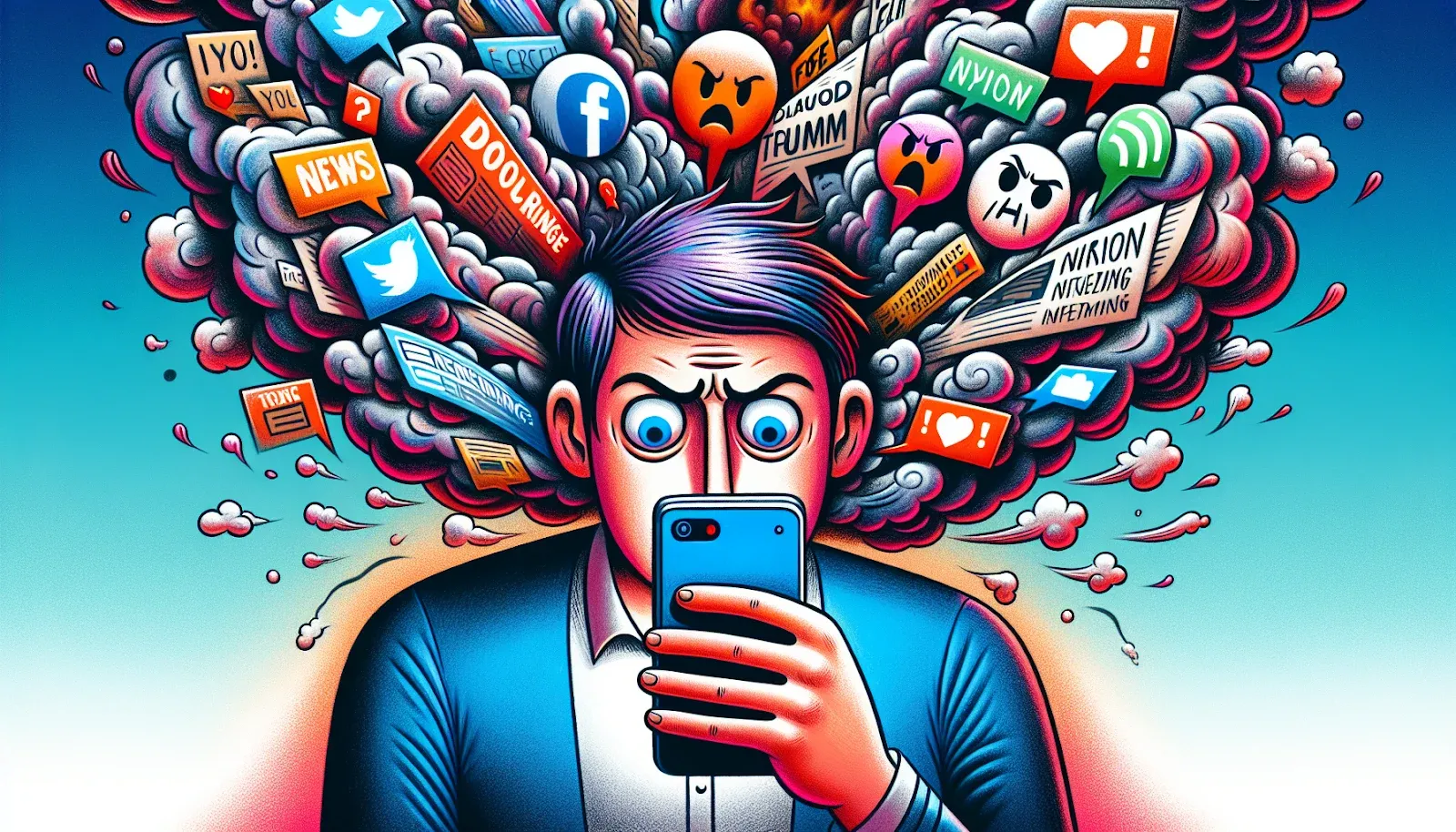
“You cannot expect an app that was built to hijack your attention to help you reclaim your focus.”
Similarly, Cory Doctorow, in The Internet Con, describes how platforms initially offer value, only to degrade the user experience once they achieve market dominance — ultimately prioritising data extraction over user satisfaction.
AI and the Intensification of Surveillance Capitalism
The rapid evolution of artificial intelligence has dramatically intensified these dynamics. AI systems rely heavily on vast datasets and immense computational resources, favoring large corporations that control the necessary infrastructure. Melanie Mitchell, in AI: A Guide for Thinking Humans, points out that AI’s current limitations compel companies to double down on data collection to sustain performance.
Shoshana Zuboff, in The Age of Surveillance Capitalism, underscores the threat:
“Surveillance capitalism unilaterally claims private human experience as free raw material for translation into behavioural data.”
Modern AI tools often act as mere interfaces for centralised platforms like OpenAI, consolidating data control in the hands of a few.
Self-Hosting: A Path to Digital Sovereignty
Self-hosting offers a powerful way to counteract centralisation and reclaim digital control. By hosting services yourself, you manage your own digital infrastructure, reducing reliance on corporate platforms and shielding yourself from surveillance and gamification.
Practical Steps for Digital Self-Reliance
Here are actionable steps you can take to begin self-hosting:
- Personal Cloud Storage: Replace services like iCloud or Dropbox with a home NAS system such as Synology or TrueNAS.
- Secure Communication: Transition to self-hosted messaging and email platforms like Matrix, Rocket.Chat, or Mail-in-a-Box to avoid corporate surveillance.
- Media and Entertainment: Host media libraries with tools like Jellyfin or Plex, offering privacy-focused alternatives to Netflix and Spotify.
- Ad and Tracker Blocking: Use Pi-hole or AdGuard Home to block intrusive ads and trackers across your network.
- Local AI and ChatGPT Alternatives: Set up your own AI chat interface using OpenWebUI paired with open-source LLMs for private, local AI interaction.
- Automation and Agentic AI: Use tools like n8n to automate tasks privately, creating AI agents that operate under your control.
Replace Big Tech Tools
Opt for self-hosted alternatives:
- Nextcloud for document collaboration
- Bitwarden for password management
- Home Assistant for smart home control
Repurposing Old Hardware
Repurpose older desktops or laptops as home servers to cut costs and reduce e-waste. These machines can efficiently run essential services such as storage, media streaming, and even AI models.
Consumer Electronics and AI Accessibility
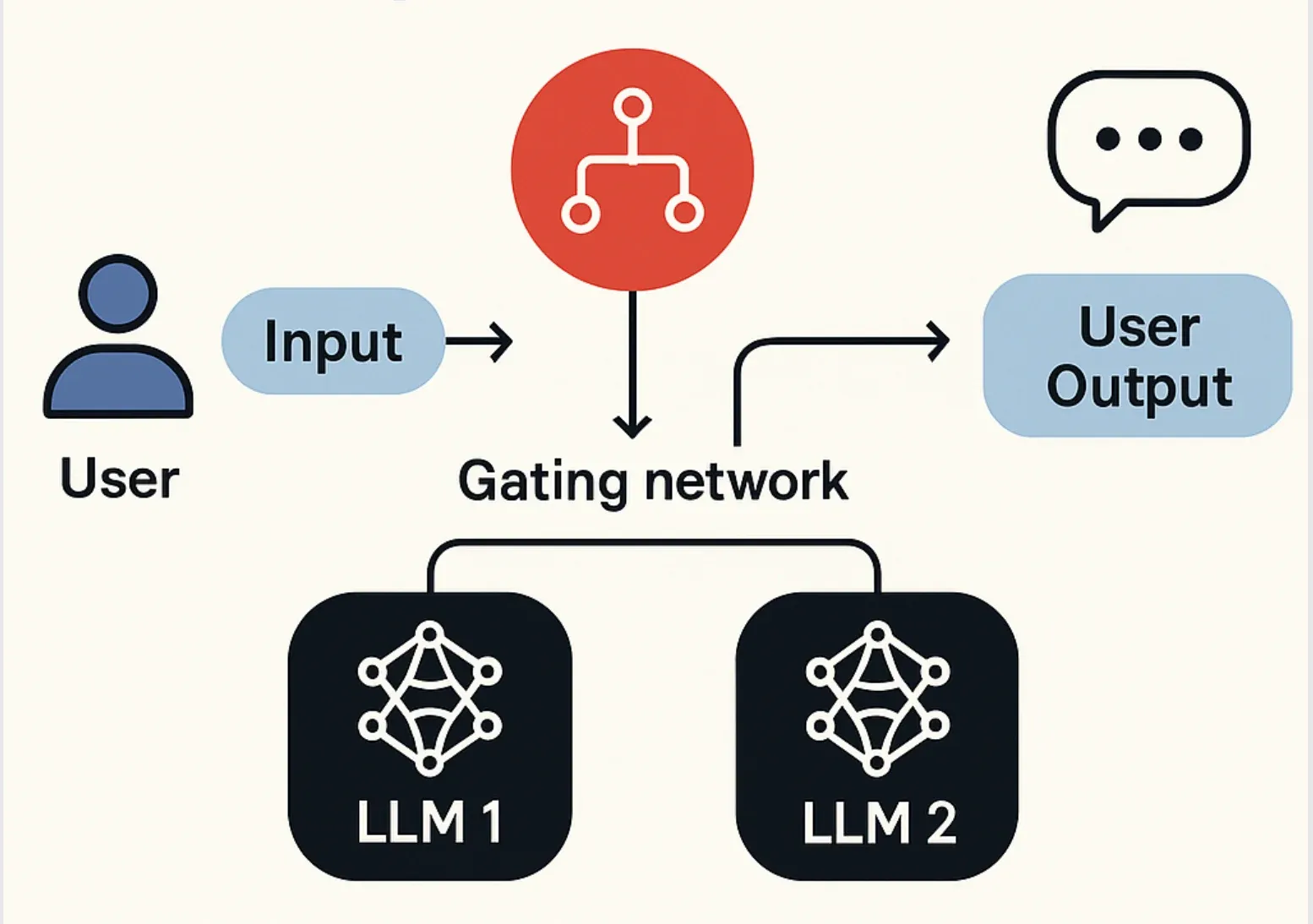
As consumer hardware evolves, it can either empower or limit access to independent AI capabilities. Frameworks like Mixture of Experts (MoE) will eventually enable high-performance AI with significantly lower computational demands, allowing individuals to achieve near-corporate-grade AI performance without needing massive infrastructure, thus democratising access.
Advantages
The mixture of Expert (MoE) architecture offers several advantages over traditional deep learning models.
- Enhanced scalability: MoE models scale easily to billions or even trillions of parameters due to sparse activation, which reduces the need for massive computational power.
- Increased flexibility: One unique benefit of MoE is that new experts can be added to the existing model without retraining the entire system. This adaptability allows the model to readily accommodate new tasks and domains.
- Efficiency: Since MoE activates only the most relevant experts for each input, it can handle diverse tasks more efficiently than traditional models. This makes it faster and more accurate, as experts can focus on what they do best.
- Parallel processing: Experts can work independently, which allows for efficient parallel processing. This approach can cause faster training and inference times.
The Hidden Costs of Convenience

Thomas Thwaites, in The Toaster Project, reveals how seemingly simple products depend on vast, hidden layers of complexity and extraction. Digital services are no different; beneath their ease of use lie serious costs: privacy erosion, data commodification, and diminished autonomy.
Samuel Florman, in The Existential Pleasures of Engineering, reminds us:
“Technology is not what alienates us; it is what connects our intentions with the physical world.”
Digital Minimalism Meets Self-Hosting
Combining digital minimalism with self-hosting creates a resilient framework for reclaiming autonomy. By rejecting superficial digital engagement and embracing intentional, privacy-respecting habits, you foster genuine independence.
Reclaiming your digital sovereignty through self-hosting is more than a technical decision - it’s an act of resistance, restoring autonomy and dignity in an era of increasing surveillance and algorithmic manipulation.
As Cory Doctorow encourages:
“Build the world you want,” rather than accept the one handed to you.